

Seed Dispersal

The children had noticed some of the same plants were growing on one side of town and then again somewhere completely different. They had also been watching one particular tree near Duck Paddle Pond. This tree seemed to appear only a year or two ago and has continued getting bigger and bigger. So how did it get there?
Those two questions opened the door to our study of seed dispersal. We began talking about why plants need their seeds to travel in the first place. If every seed simply dropped beside its parent plant and began growing there, eventually they would all be competing for the same space, sunlight, water, and nutrients. There roots would become crowded, and there simply wouldn't be enough resources for everyone. We could even see pieces of this happening in the landscape around us. We noticed compared to the grass the weeds spread out and remained green among the dark brown grass. We looked at some of the difference between them. The shorter roots of the grass, the deeper roots of the weeds, and the way the plants growing further apart may have more access to what they need. Then we started looking for all the different ways seeds move. We talked about gravity, wind, water, and animals, but we also began looking closely at the seeds themselves and asking what clues their shapes might give us about how they travel. Almost immediately, the children began recognizing those clues for themselves. As we sat beside Alligator Lake watching the geese land on the water and take off again, one of the children spotted a seed nearby with whispy fibers.


"Look, Lindsay! This seed travels by wind!"

We rode our bike to Birdsong Bend and sat quietly as the seeds helicopter down from the trees.

We found seeds clinging to our pant legs at Skyview Prairie and we talked about how easily an animals, or group of little Songbirds, can unknowingly carry seeds from one place to another.
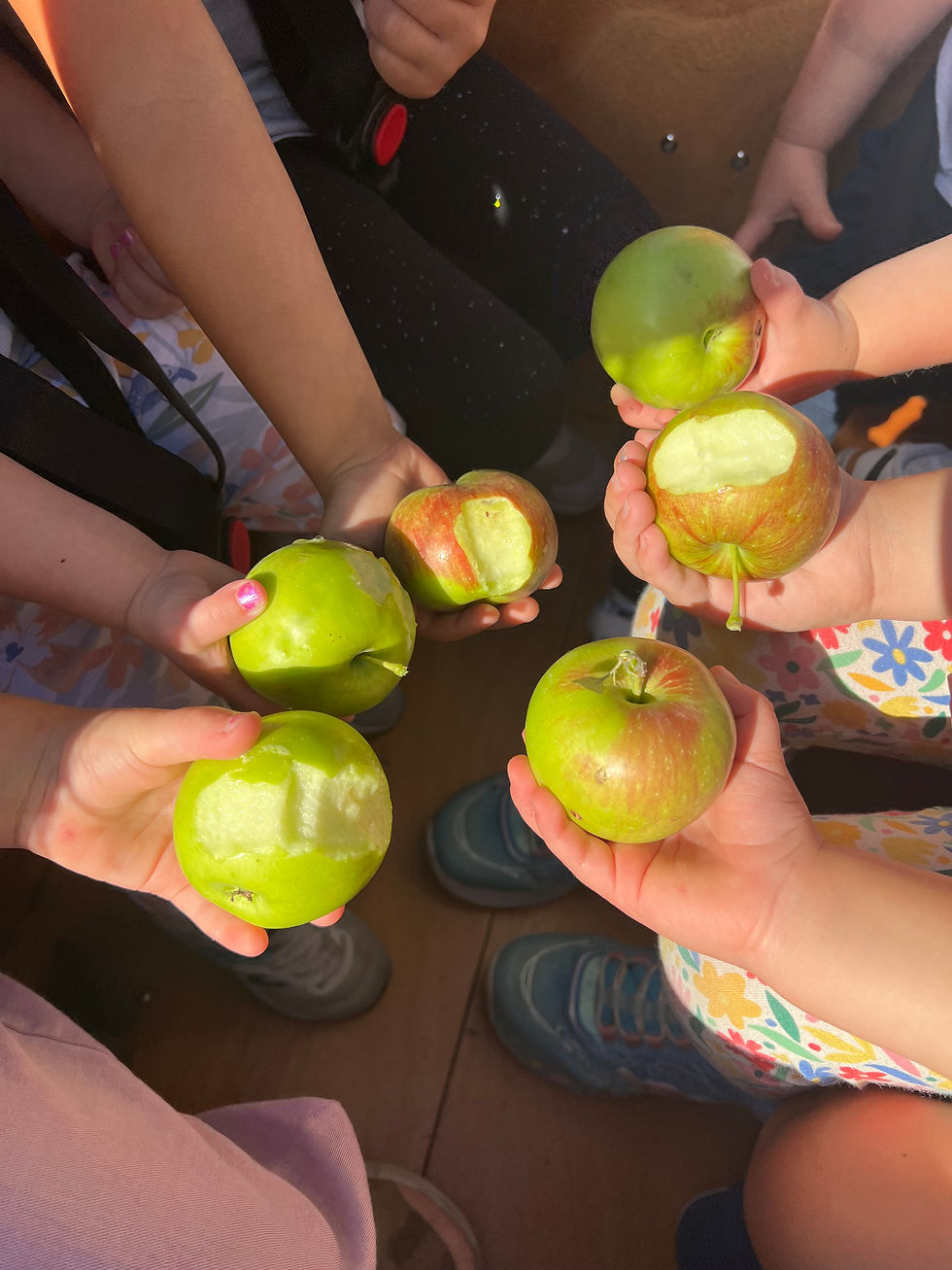
We looked inside our apples that we picked from the tree and found seeds tucked inside. We talked about how animals eat fruit and later disperse those seeds through their scat, sometimes far away from the plant they came from.

Little by little, the children have been piecing together a much bigger picture: an ecosystem doesn't just appear. Plants and animals are constantly interacting with one another, moving, adapting, spreading, and changing the landscape we play on each day.


Fittingly, while we were putting together all of these pieces of the puzzle of nature, I brought actual puzzles back into our classroom. From our two year olds to our almost five year olds, everyone has been completely absorbed.


Slowly, through observation, conversation, experience, and play, the children begin to understand a little more about how their world fits together. Also, IT RAINED!!! <3


Comments